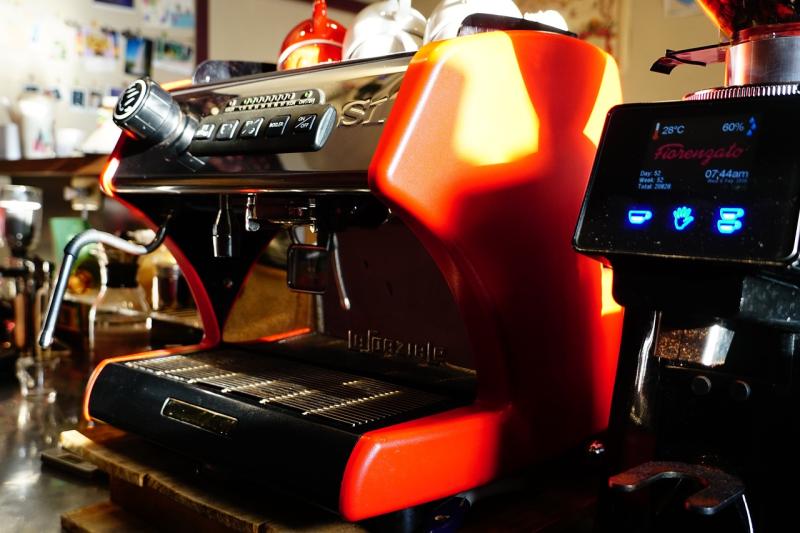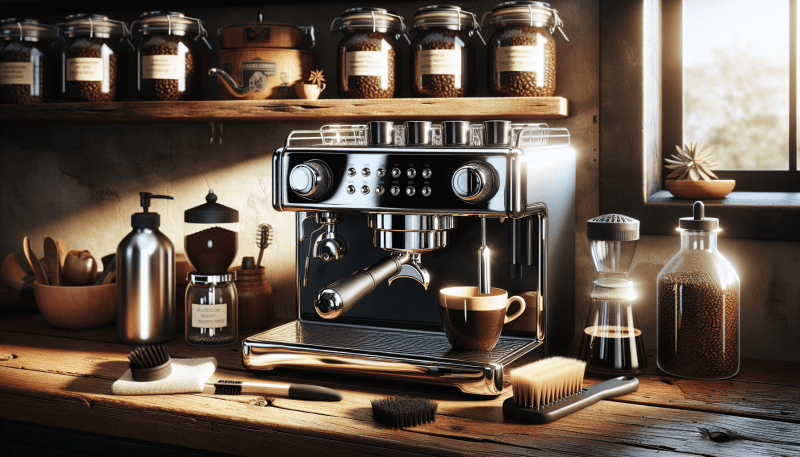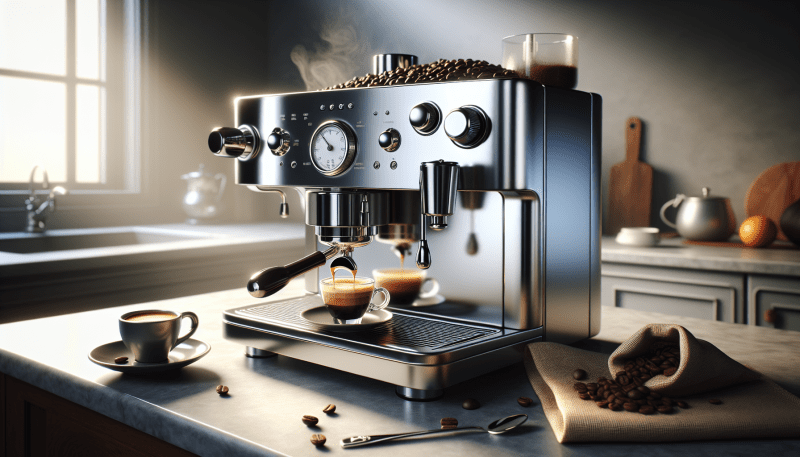
Espresso has a rich history that takes us back to Italy in the early 20th century, where coffee lovers were on a quest for speed and flavor. It all kicked off when inventors started tinkering with machines to make coffee brewing faster. The first espresso machine, invented by Luigi Bezzera in 1901, worked to force hot water through coffee grounds quickly. While the design has gone through many changes since then, the goal remains the same: deliver a strong dose of coffee goodness in a matter of seconds.
As the espresso craze grew, so did the varieties of beans used. Different regions in Italy and beyond started to contribute their unique flavors. Coffee beans from Brazil, Colombia, and Ethiopia began to mingle in the mix, each adding its own twist to the drink. A shot of espresso became a canvas for flavor, and baristas took on the role of artists, perfecting their craft.
The experience of enjoying espresso also turned into a social ritual. Espresso bars popped up all over Italy, where friends would gather not just for coffee, but for conversation and connection. This community vibe is still alive today in coffee shops around the world. Whether you’re enjoying a quick shot standing at the bar or savoring a latte in a cozy corner, espresso brings people together.
Today, we have countless ways to enjoy espresso. From classic shots to fancy lattes and cappuccinos, there's something for everyone. With each cup, you're sipping on a piece of history, one that celebrates the relentless pursuit of flavor and speed that started it all. So, grab your mug and enjoy that espresso magic!
The Art of Brewing Espresso
Brewing the perfect espresso is like creating a little magic in your kitchen. It's all about using the right technique and equipment to bring out the rich, bold flavors packed into those tiny coffee beans. First things first, you'll need some quality beans. Look for freshly roasted espresso beans; they should smell incredible and have a shiny, oily surface indicating freshness.
Next up is your espresso machine. Whether you have a high-end model or a simple stovetop Moka pot, the key is to get your water temperature just right. Aim for around 190 to 205 degrees Fahrenheit. Too hot, and you’ll burn the beans; too cold, and you won’t extract all the delightful flavors.
When it comes to grinding, aim for a fine consistency, kind of like table salt. This will help create the pressure needed to extract those rich flavors and create that delicious crema on top. Don't forget to tamp the grounds firmly but evenly into the portafilter to ensure that water flows through smoothly.
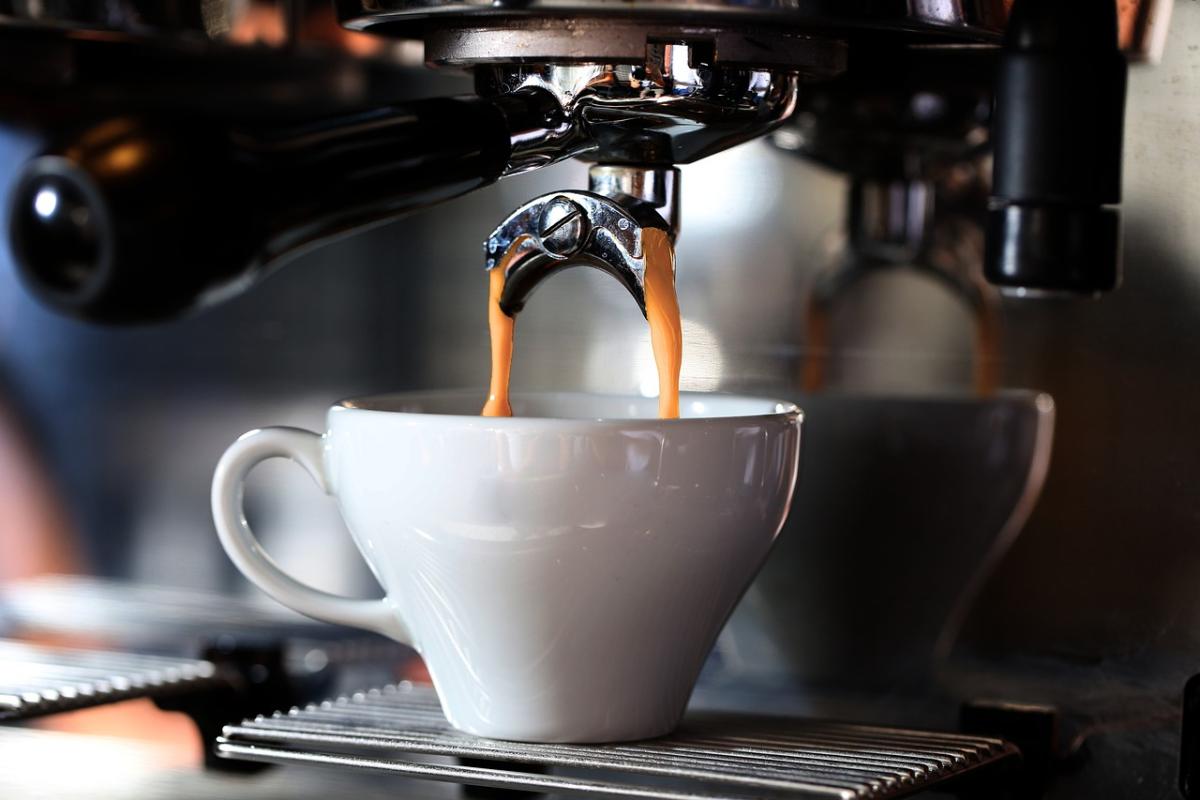
Now it’s time to brew! Pull that shot and watch as your coffee transforms. A well-pulled espresso shot has that beautiful golden crema, which tells you you've done it right. Enjoy it as is, or use it as the foundation for other drinks like cappuccinos or lattes. Experiencing the art of brewing espresso is all about experimenting and finding what tastes best to you. So dive in, and let the coffee magic begin!
Discovering Espresso Varieties
When it comes to espresso, there’s a whole world of varieties to explore! Each one has its own unique flavor profile, depending on the beans, roast, and brewing method. It's fascinating how that little shot can offer so much variety!
Let’s start with the classic Espresso. It's strong, bold, and packs that punch right from the start. You’ll find yourself savoring the rich crema on top – that's the foamy goodness that makes it special. If you want something a bit milder, try Americano. It’s just espresso with hot water, giving you a smooth drink without losing that coffee essence.
If you like sweet drinks, you’re in for a treat with Latte and Cappuccino. Both use espresso as a base, but the milk situation is what sets them apart. Latte is creamy with a splash of foam, while cappuccino goes heavy on the froth, making it light and airy. They’re like coffee's sweet little siblings, perfect for those who prefer a softer taste!
And let’s not forget about Ristretto! It’s a short shot of espresso made with less water, resulting in an intense flavor that’s slightly sweeter. If you’re feeling adventurous, give Flat White a shot, too. It’s got that velvety texture and is just amazing for cozy mornings.
Savoring the Perfect Espresso Shot
Taking a moment to savor the perfect espresso shot is like a mini-vacation for your taste buds. There’s something magical about that rich, bold flavor that jumps out and says, “Hey, I’m here!” Whether you’re a newbie or a seasoned barista, knowing how to make a superb shot can be life-changing.
The secret starts with quality beans. Choosing the right coffee is half the battle. Look for fresh, high-quality espresso beans that suit your palate. Some folks love a nutty flavor, while others lean toward fruity notes. Get your hands on some beans you’re excited about, and don’t be afraid to experiment!
Next up is the grind. A consistent grind is key to pulling that perfect shot. Aim for a fine texture, similar to table salt. If you've got a burr grinder, that’s your best friend. It’ll give you a more even grind compared to a blade grinder. Don’t skip this step; it makes a huge difference!
Finally, the brewing process is where the magic happens. Make sure your espresso machine is preheated and use the right amount of coffee—usually around 18-20 grams for a double shot. Tamping down the grounds with just the right pressure is crucial, too. You want it firm but not rock hard! Once you hit that brew button, watch as the rich, dark liquid flows into your cup, topped with a lovely layer of crema.
Now, all that’s left is to enjoy. Whether you sip it straight or toss in some frothed milk for a creamy cappuccino, taking the time to savor that perfect espresso shot makes all the effort worth it. So grab your gear, and let’s make some magic!